
The Ultimate Guide to Golf Pro Shop Design
A well-designed golf pro shop does more for your club than just sell equipment; it enhances the golfer experience, reinforces your club’s branding, and drives significant revenue.
From the layout and lighting to merchandising and technology integrations, every design decision can impact both member satisfaction and retail performance.
The principles of pro shop design and luxury golf club experience have changed with new advancements and expectations from members and customers alike.
As the golf industry expands year on year, in the UK alone, the market is expected to grow from $4.6 billion in 2025 to $6.9 billion by 2035. This huge investment highlights the need for continued growth and expansion in the industry.
In this ultimate guide, we’ll explore the key principles of golf pro shop design, drawing on Millerbrown’s over two decades of industry experience designing premium retail spaces for clubs across the UK and beyond.
1. Understand Your Customers and Their Journey
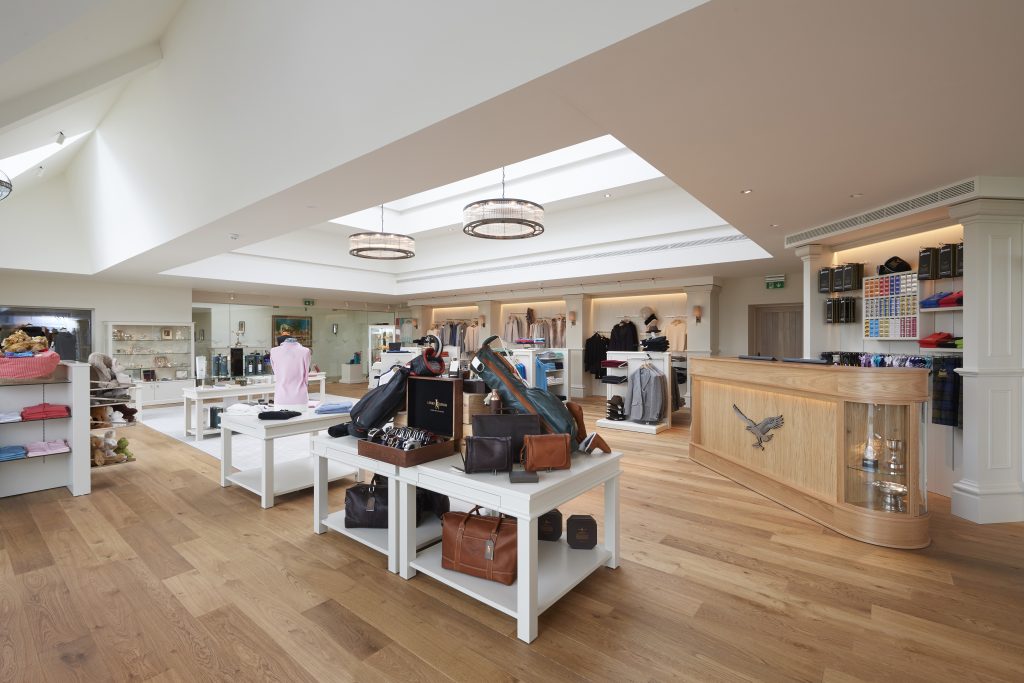
Before moving on to any sort of planning, layouts or fixtures, it’s essential to understand who your shoppers are.
While each club/retailer is serving the golf industry, understanding your specific customer and their retail habits and expectations is vital for designing your own retail space.
These customer profiles can include:
- Club Members: Often value service, expertise, and a premium experience.
- Visitors and Casual Golfers: May be influenced by signage, flow, and ease of navigation.
- Retail Shoppers: Interested in apparel, equipment, and accessories.
Mapping the customer journey helps you position products strategically, reduce congestion, and encourage engagement throughout the store.
2. Layout and Zoning: Maximising Flow and Sales

A well-planned layout guides customers naturally through the shop. Retail psychology is a well-researched and documented area of discussion in high-end retail.
While a deep knowledge of this field isn’t a requirement, you can apply its ideas in some simple and key ways, these can include:
- Entrance Zones: Capture attention with high-demand or promotional items.
- Display Areas: Showcase clubs, bags, shoes, and apparel in organized, accessible displays.
- Fitting and Demo Areas: Dedicated zones for swing testing, launch monitors, or simulator sessions.
- Checkout & Service Counters: Positioned for convenience and upselling opportunities.
Zoning ensures each area supports its purpose while optimising dwell time and purchase potential.
3. Lighting and Ambience

Lighting is one of the most underrated elements of retail design. It may seem secondary, but lighting can subtly influence the user experience of your pro shop and retail space.
From subtly guiding and zoning the various areas of your retail space, here are some key elements to consider:
- Task Lighting: Focused on club displays or apparel racks to enhance visibility.
- Accent Lighting: Highlights premium products, creating a sense of luxury.
- Ambient Lighting: Provides overall comfort, encouraging shoppers to explore the space.
Millerbrown often combines layered lighting solutions with high-quality materials to create a shop that feels both inviting and professional.
4. Technology Integration for Modern Golf Shops
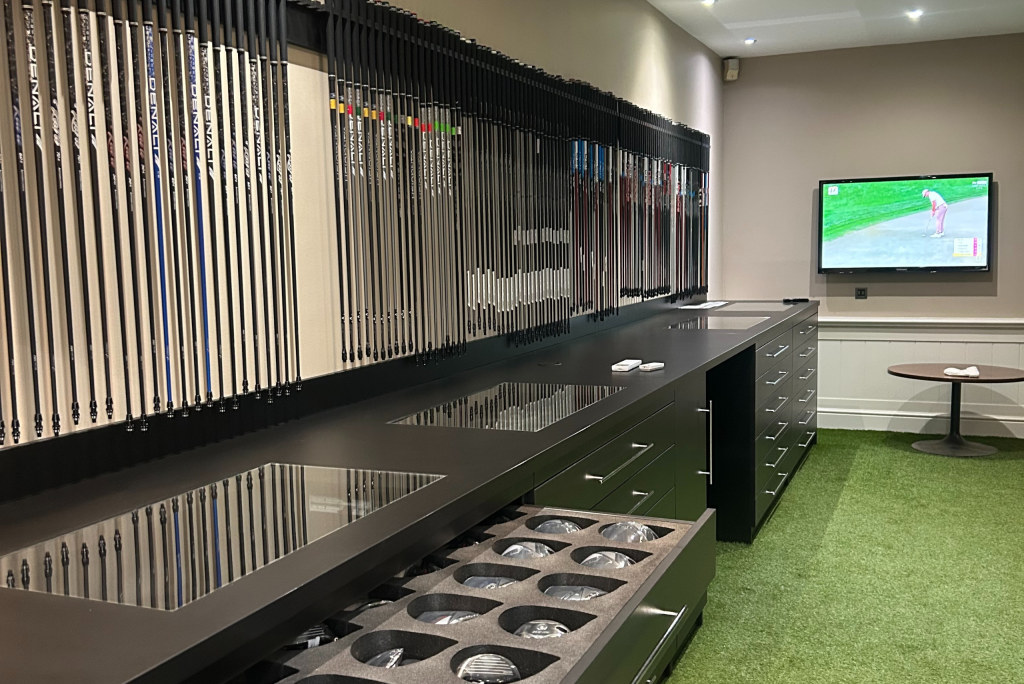
A contemporary pro shop is more than shelves and racks; the modern pro shop needs to utilise new and innovative technology to ensure it is offering the most advanced experience.
Over the last ten years, golfing and retail technology have come along in significant ways. Some of the latest technology includes:
- Launch Monitors and Swing Rooms: Allow golfers to test equipment indoors, improving conversion.
- Interactive Displays: Educate shoppers on products and brand benefits.
- Point-of-Sale Integration: Streamlines transactions while tracking inventory and customer preferences.
Technology helps bridge performance and retail, increasing engagement and sales.
5. Choosing Between Classic and Contemporary Designs
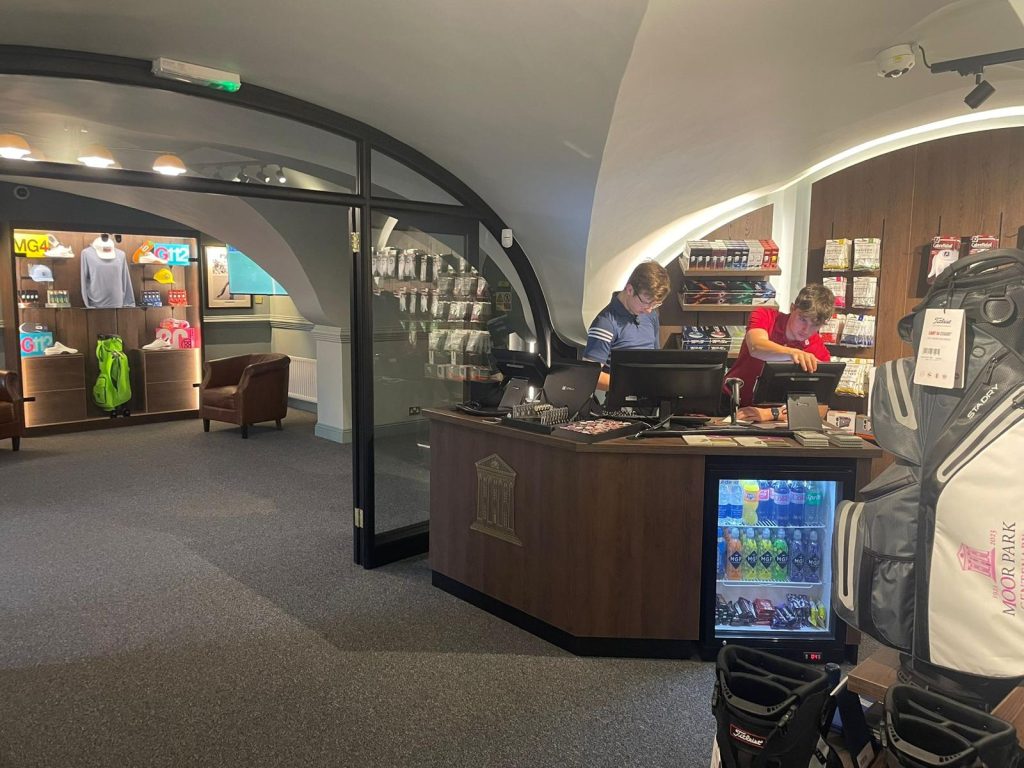
Each club is different. Ensuring that your pro shop adheres to your club’s branding and identity is vital for customer trust and brand consistency.
Millerbrown specialise in delivering bespoke interior’s designed to meet specific criteria and design fundamentals.
Some of our Golf pro shop designs include:
- Classic Designs: Rich wood finishes, traditional cabinetry, and heritage-inspired detailing. Perfect for established clubs with a focus on tradition.
- Contemporary Designs: Sleek joinery, modular displays, and high-tech integration. Suited to modern resorts or urban golf facilities.
- Traditional Designs: Celebrating timeless craftsmanship and storied design, delivering golf retail environments rooted in tradition yet aligned with modern merchandising strategies.
The right style should align with your club’s identity and customer expectations.
6. Materials, Finishes, and Craftsmanship
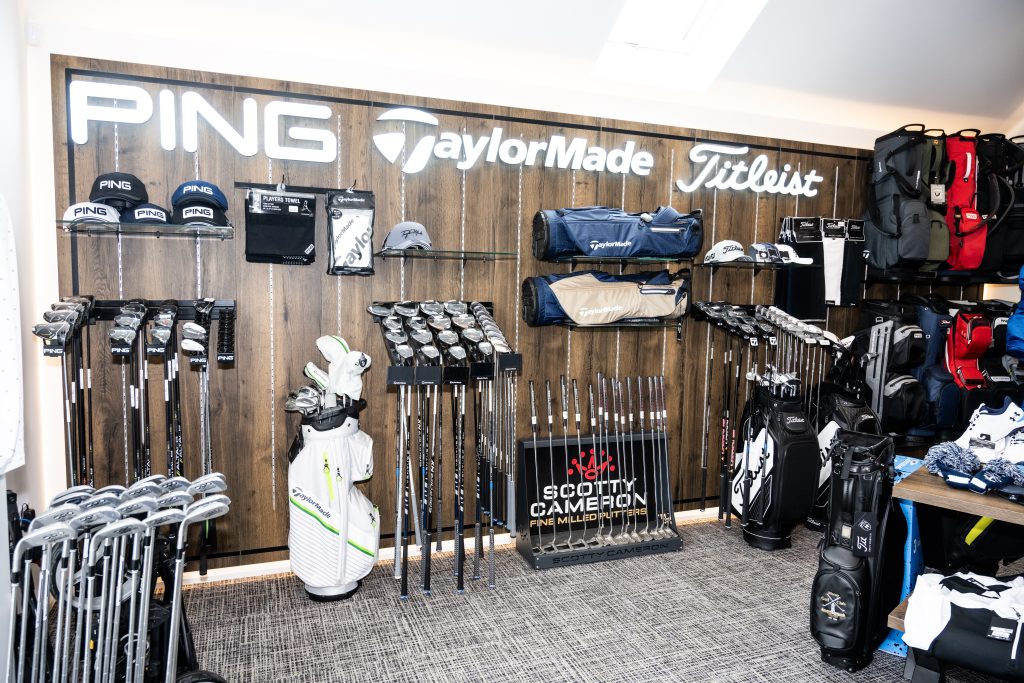
High-quality materials make a tangible difference. A pro shop is often the first impression a customer will make of your service and of your club.
It’s vital that your pro shop is created using high-end materials and professional craftsmanship:
- Joinery and Cabinetry: Custom craftsmanship provides durability and a premium feel.
- Flooring: Combines aesthetics with practicality for high-traffic areas.
- Fixtures and Fittings: Should be adaptable, durable, and brand-appropriate.
Investing in quality finishes reinforces brand perception and reduces long-term maintenance costs.
7. Beyond Sales: Enhancing the Member Experience
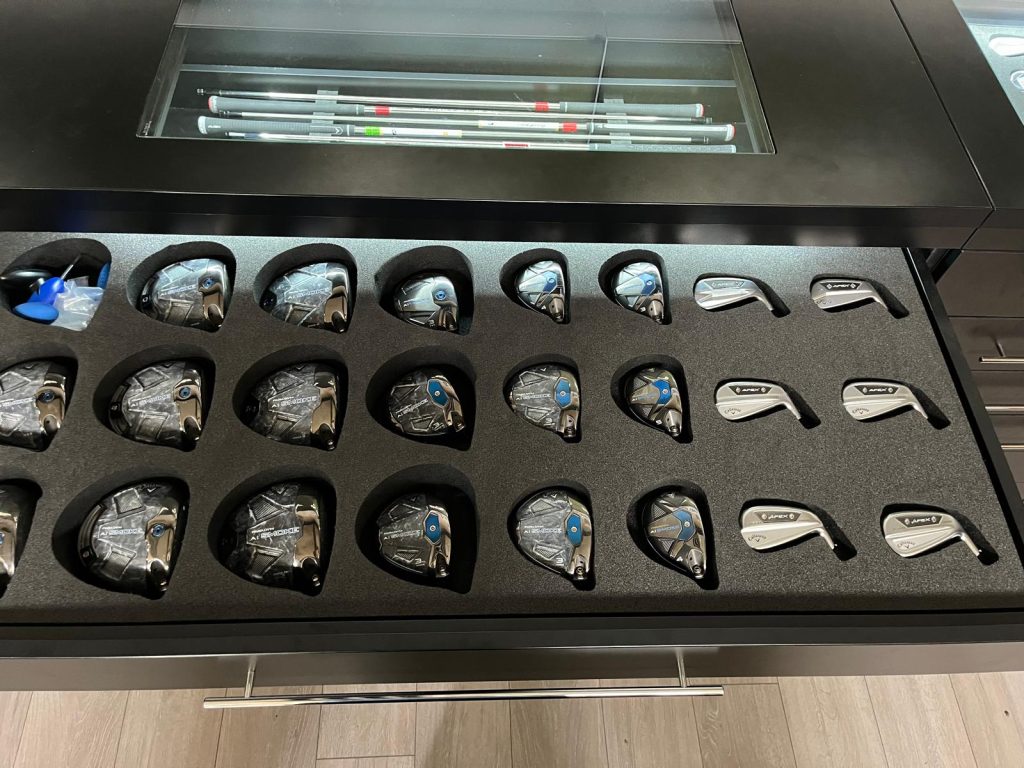
A pro shop is more than just a retail space; it’s part of the overall club experience.
Ensuring that your pro shop is experiential and offers an environment members wish to return to is important and requires the following:
- Comfortable seating areas for consultation or fitting reviews.
- Swing analysis rooms to engage members with technology-led coaching.
- Strategic product placements to complement club events and seasons.
A shop designed for experience, not just transactions, keeps members returning and encourages positive word-of-mouth.
Conclusion: Designing a Pro Shop That Delivers
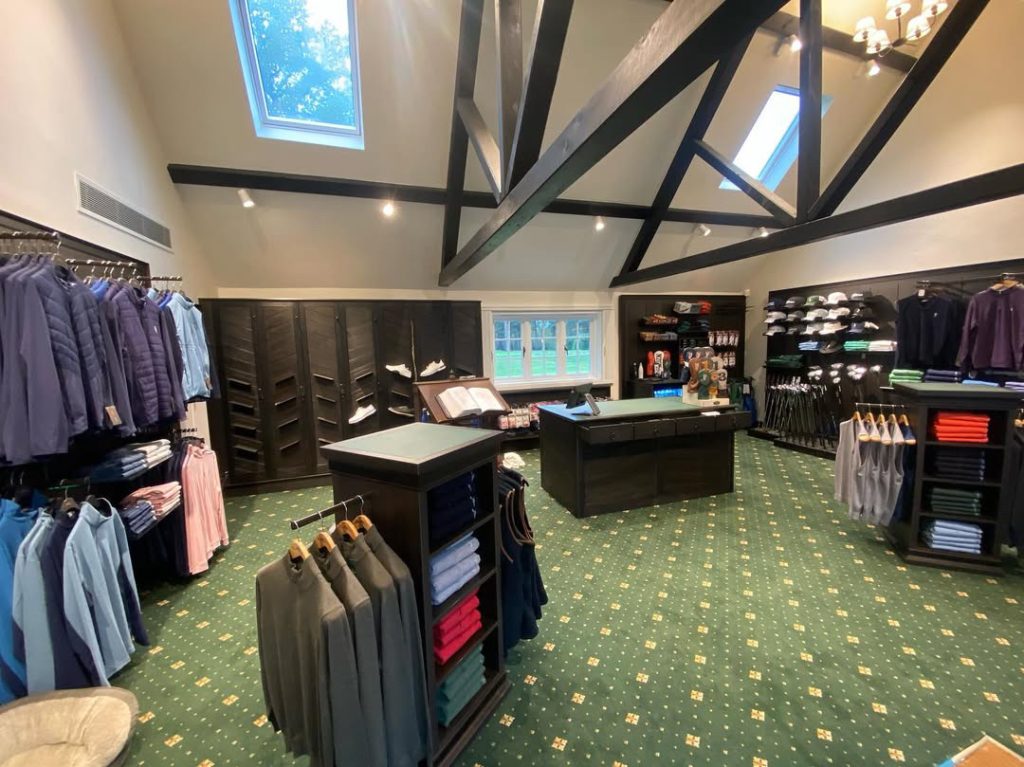
A successful golf pro shop blends design, technology, and customer insight to create a space that is functional, attractive, and commercially effective.
A pro shop is the reference point for your club experience and should represent your club’s heritage and branding across the board.
From layout and lighting to materials and tech integration, every detail counts. New technologies and innovative features ensure that what your pro shop can offer is far more than a simple retail space.
By partnering with specialists like Millerbrown, clubs can ensure their pro shop reflects their brand, enhances member experience, and drives revenue, all year round.
- Published in Article