
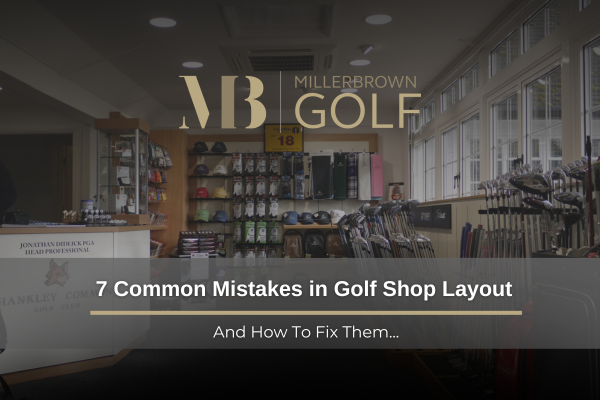

A well-designed golf pro shop should do more than just look good. It should actively guide customers, support fittings, and drive revenue.
For many golf clubs, even high-quality products and strong branding are undermined by one key thing: poor layout design.
From ineffective flow to underutilised spacing, small design mistakes can add up to big impact on customer experience and retail performance.
In this guide, we break down 7 common golf shop layout mistakes and, more importantly, how you can fix them.
1. Poor Layout Flow That Confuses Customers
The Mistake
One of the most common layout mistakes in a golf pro shop is failing to create a clear, intuitive flow.
Customers walk in… and don’t know where to go. This often-imperceptible mistake can affect how a customer interacts with your pro shop without even being aware of it.
This leads to:
- Missed product areas
- Reduced dwell time
- Lower overall spend
A shop layout should act like a roadmap, guiding customers naturally through the space. Shoppers should be aware of where each element is placed instinctively from your intuitive design.
The Fix
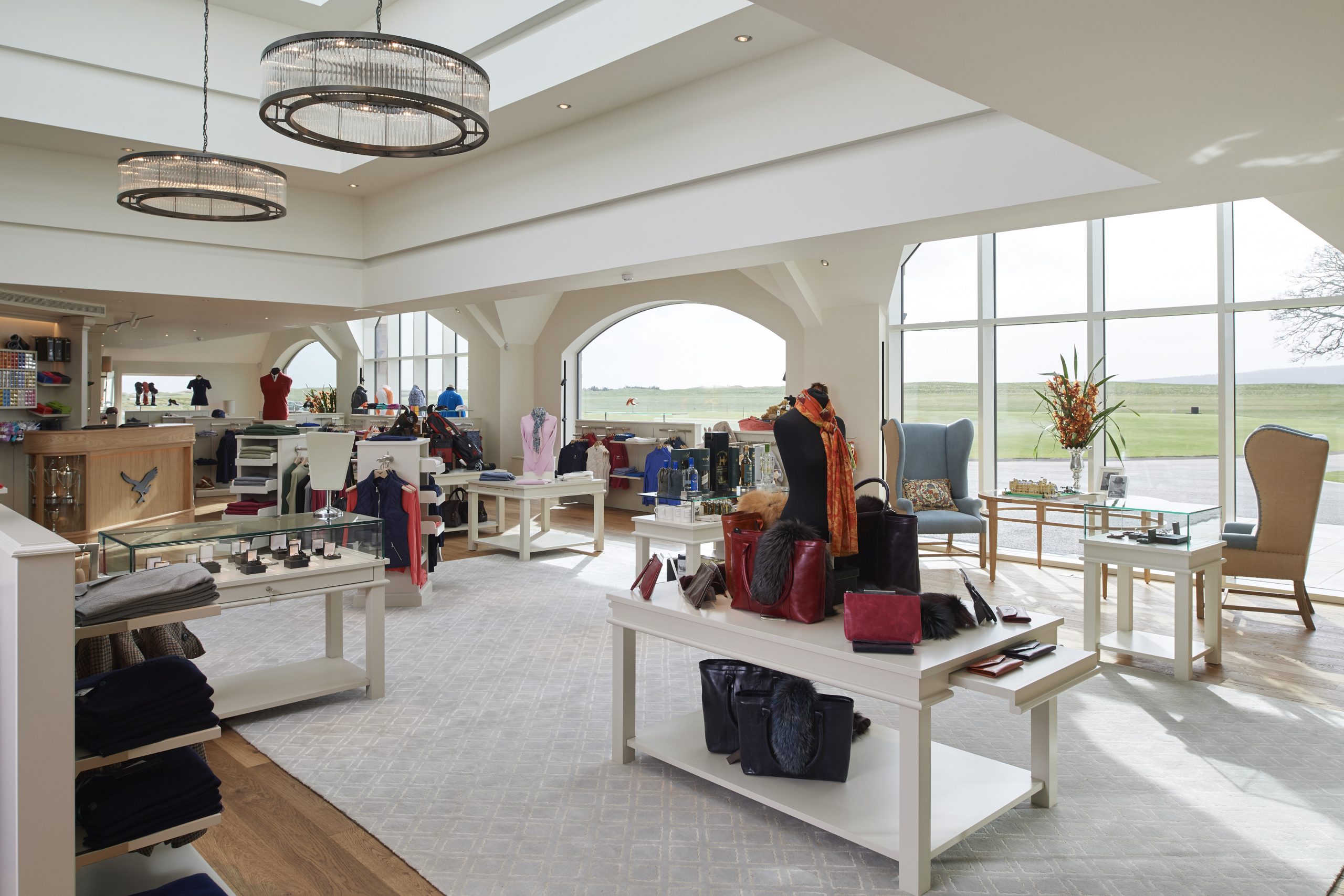
Design your shop with a clear journey:
- Entrance → apparel → equipment → fitting → checkout
- Keep sightlines open
- Use focal points to guide movement
Layouts should be designed to encourage exploration while maintaining clarity, ensuring customers engage with more of the shop.
2. Overcrowding the Space with Too Much Product
The Mistake
Trying to display too much stock is a common issue. Everyone wants to highlight their entire range and can often get carried away with what they display, especially in smaller pro shops.
The result?
- Cluttered displays
- Overwhelmed customers
- Reduced perceived value
Overcrowded retail spaces can actually discourage purchases by making navigation difficult. Conversely, this can often cause choice paralysis, overwhelming your customers with options to the point of them not choosing anything at all.
The Fix
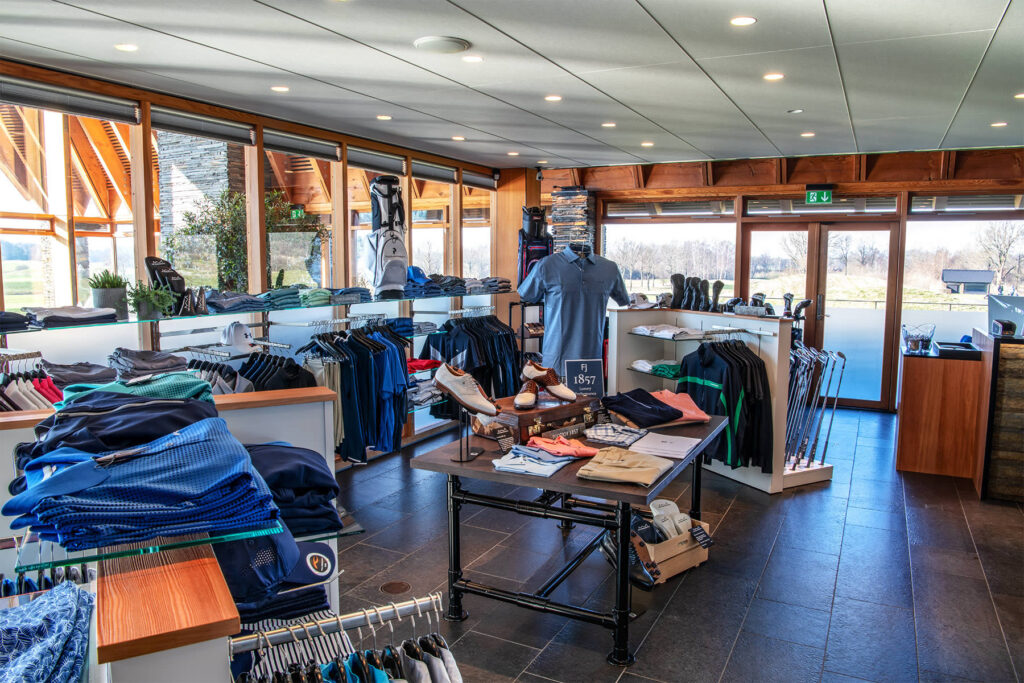
Adopt a “less but better” approach:
- Focus on key product lines
- Use curated displays
- Rotate stock seasonally
The strongest pro shops and retail designs often prioritise premium presentation over volume, helping products stand out and sell.
3. Ignoring the Power of Zoning
The Mistake
Without clear zones, a golf shop feels disjointed, apparel blends into equipment, accessories get lost, and fitting areas feel like an afterthought.
If a customer can’t tell at a glance what section of your retail space is where, that’s a sign your zoning is all off.
The Fix

Create defined retail zones:
- Apparel
- Footwear
- Equipment
- Accessories
- Custom fitting
Zoning improves:
- Navigation
- Product visibility
- Customer confidence
A strong zoning strategy ensures every category has a clear purpose and presence.
4. Underutilising Vertical Space
The Mistake
Many pro shops rely too heavily on floor space, leaving walls underused, particularly in compact environments. Often retailers neglect looking up when looking expanding and this lead to the clutter common in smaller retail spaces.
The Fix
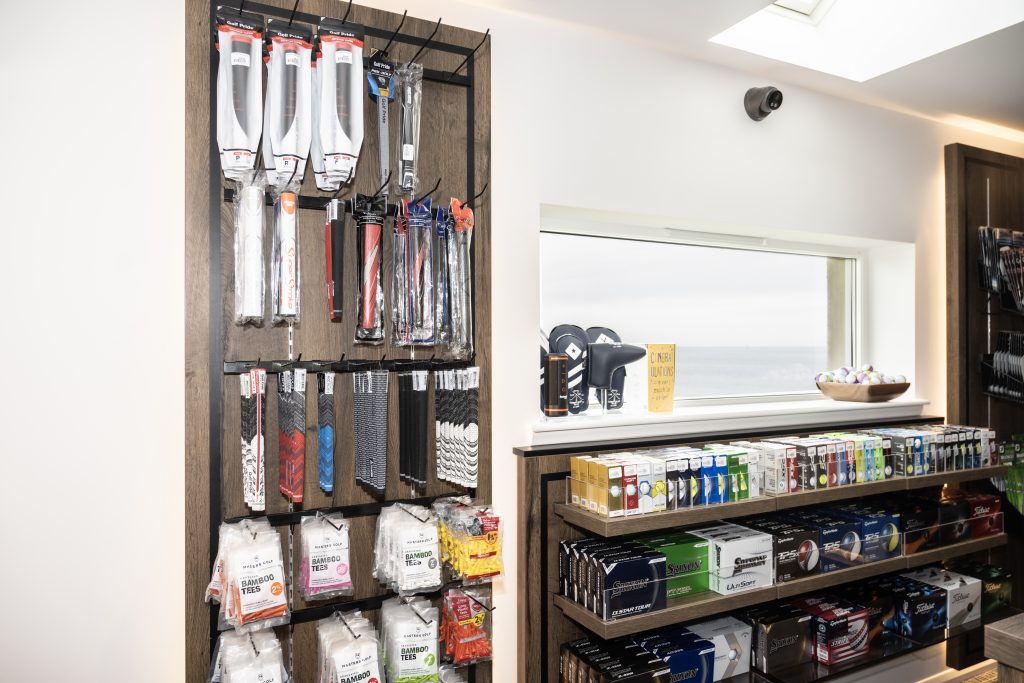
Think vertically:
- Wall-mounted displays
- Club racks
- Tiered shelving
Vertical design improves visibility without reducing floor space, making shops feel larger and more premium.
This is a key principle in many of Millerbrown’s own shopfits, especially where space is limited.
5. Poor Integration of Custom Fitting Areas
The Mistake
Custom fitting is often treated as an add-on rather than a core part of the shop layout. After the initial pro shop interior was added, many clubs and retailers chose to build these spaces separately without the appropriate updates to the original interiors.
This creates:
- Disjointed customer journeys
- Missed sales opportunities
- Underused technology
The Fix
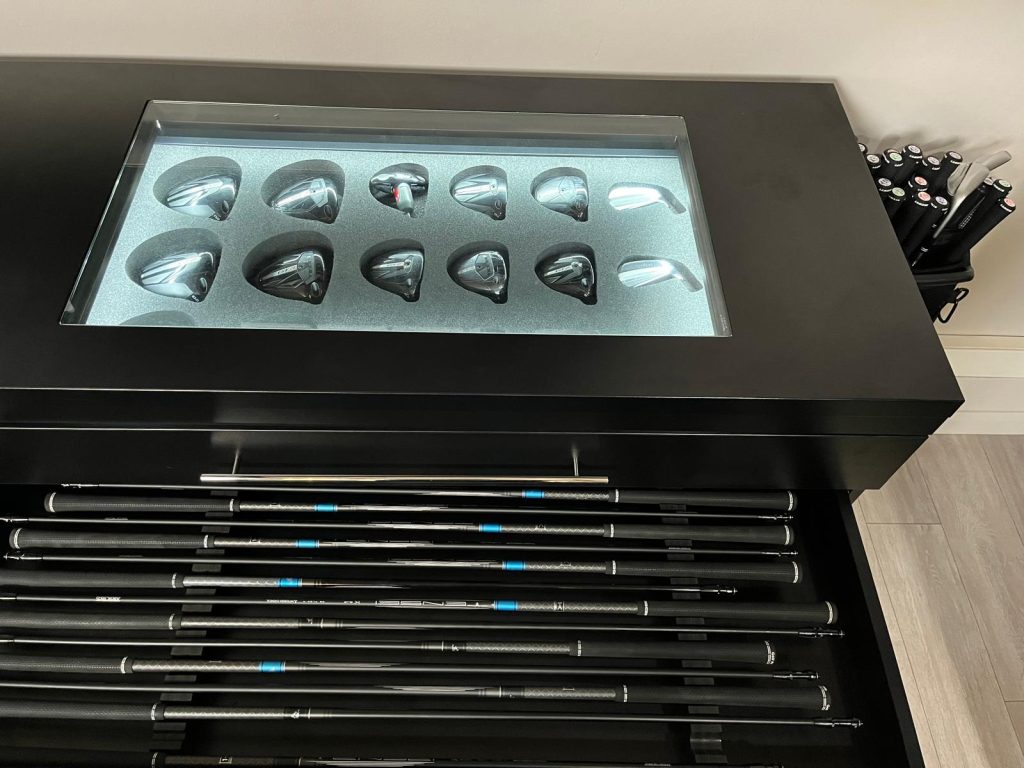
Integrate fitting into the retail experience:
- Position fitting areas within the customer journey
- Ensure easy access to equipment
- Support with storage (draw units, shelving, display systems)
Modern golf retail thrives on “try before you buy” experiences, making fitting a key driver of sales.
6. Blocking Sightlines and Visibility
The Mistake
Tall fixtures, poor placement, or cluttered entrances can block sightlines, meaning customers can’t see what’s available.
This often occurs when new features and elements are implemented after the initial design phase, being added on top of the interior rather than integrated into it.
This reduces:
- Engagement
- Product discovery
- Store navigation
The Fix
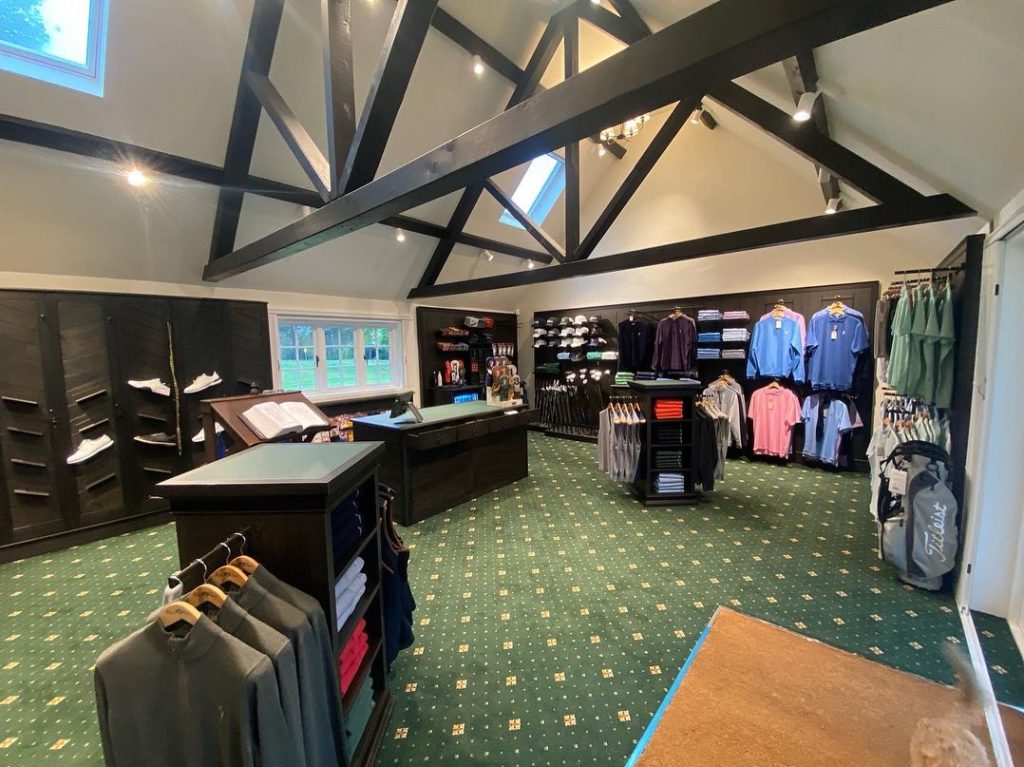
Maintain clear visibility:
- Lower fixtures at the front
- Keep key products in view
- Use height strategically
Customers should be able to scan the space within seconds of entering.
7. Lack of Flexibility in Design
The Mistake
Static layouts that never change quickly become stale, especially in a retail environment that relies on seasonal stock and promotions. Spaces should feel dynamic, offering bespoke elements and eye-catching designs that engage a customer.
The Fix
Design for flexibility:
- Modular displays
- Movable fixtures
- Adaptable merchandising areas
Flexible layouts allow you to:
- Refresh the shop regularly
- Highlight new products
- Keep the environment engaging
Retail spaces that evolve feel more dynamic and perform better commercially.
Conclusion: Better Layout, Better Performance
The most successful golf pro shops don’t just happen; they are carefully designed and considered interior spaces that harness retail design and customer psychology to balance:
- Customer flow
- Product visibility
- Retail strategy
- Performance integration
By avoiding these common golf pro shop layout mistakes, clubs can create spaces that are easier to navigate for customers, more engaging for potential clients to interact with and more commercially effective as a result.
At Millerbrown, every project is built around these principles. Combining bespoke shopfitting, intelligent layout design, and real retail insight to deliver spaces that don’t just look good, but perform better too.


